In the ever-evolving landscape of educational institutions, the integration of technology into school cafeterias has emerged as a pivotal solution to enhance operational efficiency and improve student experiences. As schools grapple with the challenges of staffing shortages, budget constraints, and the need for streamlined processes, wireless cafeteria technology stands out as a transformative force. This article delves into the myriad benefits of adopting wireless solutions in school cafeterias, exploring how they can significantly reduce wait times, enhance meal accessibility, and foster a more efficient dining environment for students.
The Need for Efficiency in School Cafeterias
Understanding the Challenges
School cafeterias are often bustling hubs where students gather for meals, but they can also be sources of frustration due to long wait times and inefficient service. With students typically allotted only 25-30 minutes for lunch, the pressure is on to serve meals quickly and effectively. Unfortunately, many students find themselves spending a significant portion of their lunch period waiting in line, which can lead to a rushed meal experience.
Staffing Shortages and Their Impact
The situation is exacerbated by the fact that over 90% of school food service directors report facing staffing shortages. This shortage places additional strain on cafeteria operations, making it even more critical to find solutions that can optimize service without requiring a proportional increase in staff.
The Role of Wireless Technology
Streamlining Operations with Wireless Solutions
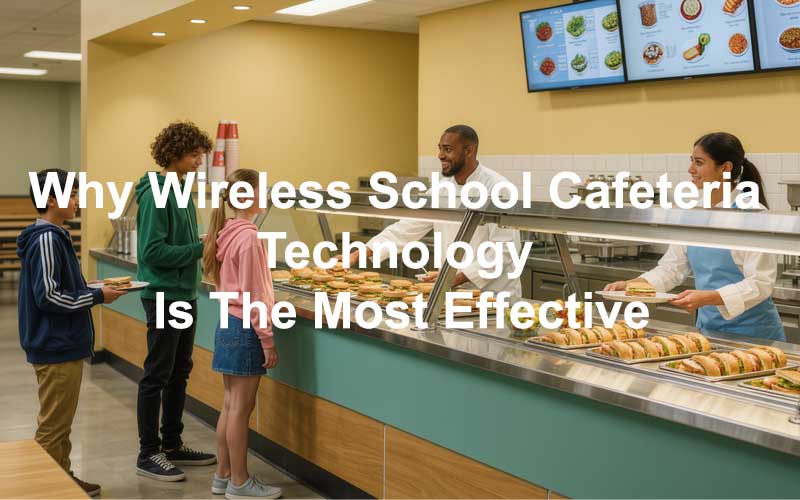
Wireless technology, particularly in the form of mobile point-of-sale (POS) systems, has revolutionized how school cafeterias operate. These systems allow cafeteria staff to process transactions quickly and efficiently, reducing the time students spend waiting in line. By utilizing Bluetooth-enabled devices, staff can move freely throughout the cafeteria, serving students directly at their tables or in line, thus eliminating the need for students to congregate at a single point of sale.
Enhancing Meal Accessibility
The implementation of wireless technology also enhances meal accessibility. With mobile POS systems, schools can set up multiple serving stations, allowing for a more distributed service model. This flexibility not only speeds up the serving process but also enables schools to cater to different dietary needs and preferences more effectively.
Benefits of Wireless Cafeteria Technology
1. Reduced Wait Times
One of the most significant advantages of wireless cafeteria technology is its ability to cut lunch line wait times dramatically. Studies indicate that schools utilizing modern POS systems can reduce wait times by up to 70% compared to traditional cash handling methods. This efficiency allows students to spend more time enjoying their meals rather than waiting in line.
2. Improved Student Experience
By minimizing wait times, wireless technology contributes to a more positive dining experience for students. With less time spent in line, students can relax, socialize, and enjoy their meals, fostering a more enjoyable atmosphere in the cafeteria.
3. Enhanced Data Management
Wireless systems also facilitate better data management. Schools can track meal participation rates, monitor inventory levels, and analyze consumption patterns in real-time. This data-driven approach enables food service directors to make informed decisions about menu planning, inventory management, and budgeting, ultimately leading to cost savings and reduced food waste.
4. Increased Participation Rates
The convenience of wireless technology can lead to increased participation in school meal programs. When students experience shorter wait times and more accessible meal options, they are more likely to choose school lunches over packed meals. This increase in participation can significantly impact the overall nutrition and well-being of students, particularly those who rely on subsidized meals.
without requiring a proportional increase in staff.
Implementing Wireless Solutions
Choosing the Right Technology
When considering the implementation of wireless technology in school cafeterias, it is essential to choose the right systems that align with the specific needs of the institution. Factors to consider include compatibility with existing infrastructure, ease of use for staff, and the ability to integrate with student information systems (SIS) for real-time eligibility checks.
Training Staff for Success
Successful implementation also hinges on proper training for cafeteria staff. Ensuring that staff members are comfortable using new technology is crucial for maximizing its benefits. Training sessions should focus on the functionality of mobile POS systems, data management practices, and customer service skills to enhance the overall dining experience.
Addressing Privacy Concerns
Protecting Student Privacy
As schools adopt wireless technology, it is vital to address concerns regarding student privacy. Modern POS systems can be designed to mask meal eligibility information, ensuring that students receiving free or reduced-price meals can do so discreetly. Best practices include positioning cashier screens away from students and training staff on privacy protocols.
Building Trust with Parents
Transparency is key to building trust with parents. By implementing systems that allow parents to monitor their children’s meal purchases and account balances, schools can foster a sense of accountability and encourage healthier eating habits among students.
Future Innovations in School Cafeteria Technology
Cashier-less Checkout Systems
Looking ahead, the future of school cafeteria technology may include cashier-less checkout systems that utilize image recognition technology to identify students and their meal selections automatically. While this technology is still in its infancy and may be cost-prohibitive for some districts, it holds the potential to further streamline operations and enhance the dining experience.
Smart Vending Solutions
Additionally, smart vending machines that accept student meal account balances and serve reimbursable meals are gaining traction. These machines can be strategically placed throughout school campuses, providing students with convenient access to healthy meals outside of traditional lunch hours.
Conclusion
The integration of wireless technology in school cafeterias represents a significant step forward in addressing the challenges faced by educational institutions. By reducing wait times, improving meal accessibility, and enhancing data management, wireless solutions can transform the dining experience for students and staff alike. As schools continue to navigate staffing shortages and budget constraints, embracing these technological advancements will be crucial in fostering a more efficient and equitable cafeteria environment.
In a world where every second counts, the adoption of wireless school cafeteria technology is not just an option; it is a necessity for creating a positive and productive dining experience for all students.
AlphaTechs USA Is A Premier Manufacturer of Wireless Pin Pads & Scanners for School Cafeterias
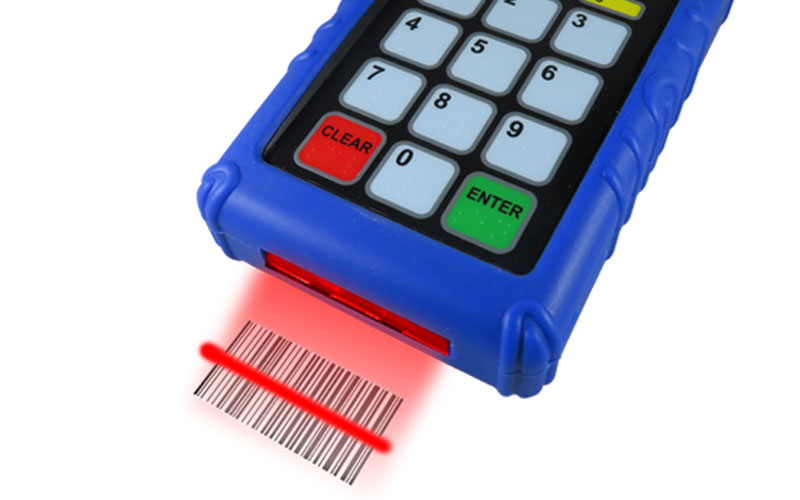
Specifically created for US school cafeterias, our pin pads, 1D scanners, 1D/2D QR barcode scanners and RFID code readers are available as wireless Bluetooth models, compatible with all school lunch POS systems. Each unit comes with a free complementary anti-shock cover designed to keep your devices safe at all time.
We also offer a stand-alone Bluetooth handheld barcode scanners.
For any school cafeteria pin pad / scanner question, feel free to contact us.