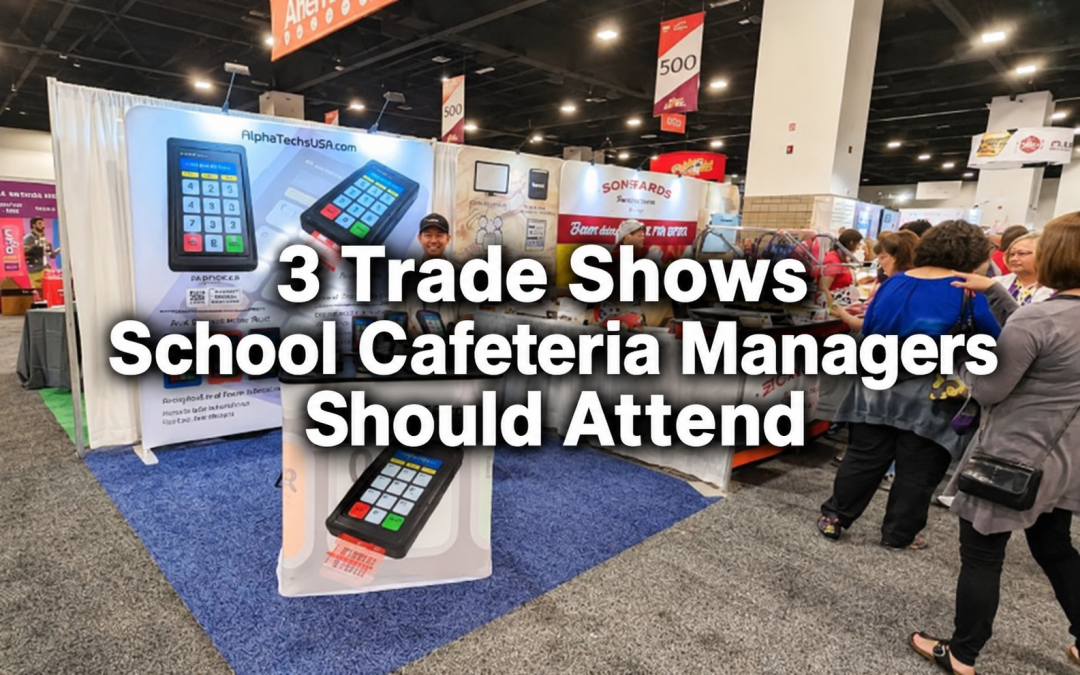
Here are three events worth putting on your calendar, and what to do once you get there.
1. School Nutrition Association Annual National Conference & Exhibition (ANC)
If you attend only one event, make it this one. Hosted by the School Nutrition Association, ANC is built specifically for K-12 foodservice professionals, which means the exhibit hall is full of products designed to meet school meal requirements.
Why it’s worth it
• School-specific products. Many exhibitors show items that fit federal nutrition standards, including whole-grain-rich foods, lower-sodium options, and reduced-sugar items, so you spend less time checking whether a product qualifies.
• Education sessions. Expect sessions on menu planning, procurement, food safety, staff training, and regulatory updates.
• Peer networking. Talking with managers from other districts is often the most valuable part. They’ll tell you which products kids actually eat and which vendors deliver on time.
• Certification and professional development. The event typically offers chances to build skills and earn continuing education credit.
Pro tip: Review the exhibitor list and session schedule before you go, and book your must-see appointments early. The hall is large, and it’s easy to lose a day wandering.
2. National Restaurant Association Show
School cafeterias increasingly borrow from restaurants: build-your-own bowls, global flavors, grab-and-go stations, and fresh-made options all started in the commercial world. The National Restaurant Association Show is one of the biggest foodservice events in the country, and it’s a strong place to spot trends before they reach your serving line.
Why it’s worth it
• Menu inspiration. See emerging flavors and formats you can adapt to student tastes.
• Technology. Explore ordering platforms, kiosks, inventory tools, and kitchen automation that can reduce labor and waste.
• Equipment and smallwares. Compare ovens, holding cabinets, and prep tools in person, and see how they work in real demonstrations.
• Sustainability. Find compostable packaging, waste-reduction systems, and energy-efficient equipment.
Pro tip: Because the show serves the entire restaurant industry, filter ruthlessly. Focus on exhibitors who can scale to high-volume, low-cost service, and ask each vendor whether they have experience working with schools or institutional kitchens.
The NAFEM Show
When your walk-in cooler is failing or your combi oven is past its prime, the NAFEM Show is where you can see the latest commercial foodservice equipment and supplies in one place. Held by the North American Association of Food Equipment Manufacturers, it focuses on the equipment side of the industry, and it takes place every two years, so plan ahead.
Why it’s worth it
• Hands-on comparison. Test the controls, cleaning process, and build quality of multiple brands side by side.
• Efficiency gains. Newer equipment can cut energy use, cooking time, and labor, which matters when budgets are stretched.
• Long-term planning. Even if you can’t buy this year, seeing what’s available helps you build a realistic capital-equipment plan and prepare grant or budget requests.
• Direct access to manufacturers. Ask about warranties, service networks, parts availability, and training.
Pro tip: Bring your kitchen’s floor plan, equipment list, and utility specs. Vendors can give much more useful recommendations when they know your space and power constraints.
How to Get the Most Out of Any Trade Show
1. Set goals before you go. Decide whether you’re hunting for new menu items, replacement equipment, or ideas to boost participation.
2. Schedule vendor meetings. Popular exhibitors get busy, and appointments save time.
3. Bring a team. Divide sessions and booths with a colleague, and compare notes afterward.
4. Collect samples and spec sheets. Check ingredient lists and nutrition information against your program requirements before committing.
5. Follow up within two weeks. Send thank-you notes, request quotes, and file everything while it’s fresh.
6. Ask about funding. Check whether your district, state agency, or available grants can cover travel and registration costs.
How Alphatechs USA Helps School Lunch Lines Move Faster
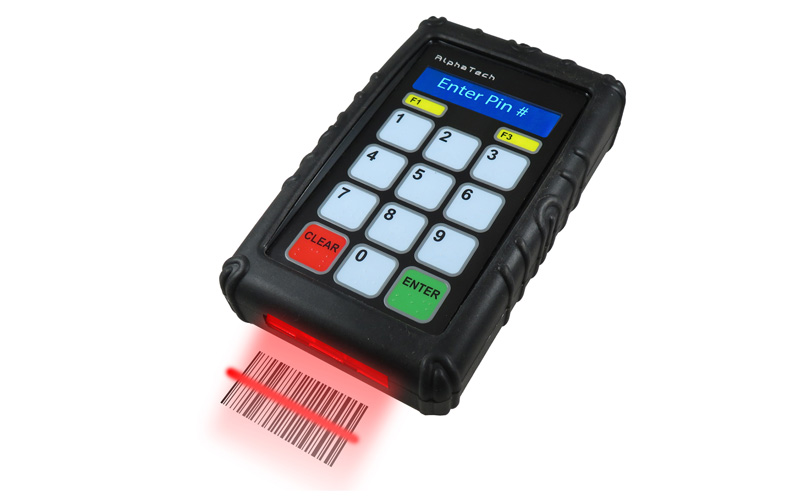
Checkout speed is where technology can make the biggest difference, and that is where Alphatechs USA comes in. Alphatechs USA’s PIN pads and scanners are designed to help school cafeterias serve more students in less time. Students can enter their PIN or scan their ID quickly, which cuts down on manual lookups and cashier errors. Faster, more accurate transactions mean shorter lines, less time waiting, and more time for students to sit down and eat. For food service teams, that also means less stress during the busiest minutes of the day. Whether you run a small elementary school or a large high school, reliable point-of-sale hardware can turn a chaotic rush into a smooth, predictable flow.
Our best-selling pin pad AlphaPad, scanner combos AlphaScan 1D, AlphaScan QR Express and AlphaScan RFID are compatible with all school lunch POS systems. Each unit comes with a free complementary anti-shock cover designed to keep your devices safe at all time. Stand-alone readers are also available including orbital scanners, USB handheld barcode scanners as well as Bluetooth handheld barcode scanners.
For any school cafeteria POS scanner question, feel free to contact us.
Frequently Asked Questions
Do I need approval from my district to attend a trade show?
Usually, yes. Most districts require advance approval for travel and professional development. Prepare a short justification explaining what you’ll learn and how it will benefit your program, such as cost savings, compliance, or improved participation.
How much does it cost to attend?
Costs vary widely by event and by how early you register. Budget for registration, travel, lodging, and meals. Many shows offer early-bird pricing, and some offer discounted or free exhibit-hall passes. Check each event’s official website for current rates.
Are trade show expenses covered by school nutrition funds?
In many cases, allowable professional development costs can be paid from the nonprofit school food service account, but rules differ by state and district. Confirm with your state agency or business office before you register.
Which show should I choose if I can only attend one?
If your priority is school-specific products, compliance, and peer networking, choose the School Nutrition Association’s ANC. If you are replacing equipment, choose the NAFEM Show. If you want menu trends and technology ideas, choose the National Restaurant Association Show.
Are there smaller or regional options?
Yes. Many state school nutrition associations host their own conferences and vendor fairs, which are often cheaper and easier to reach. They’re a good way to build local connections and see products available through your regional distributors.
What should I bring?
Comfortable shoes, business cards, a notebook or tablet, a list of questions, your program’s key numbers (enrollment, participation, budget), and a large bag for samples and brochures.
Can I attend virtually?
Some events offer virtual sessions or recordings, though the hands-on product testing and in-person networking are hard to replace. Check each event’s website for the current options.
How do I make sure the trip pays off?
Set two or three concrete goals before you leave, then write a short summary afterward, covering products to trial, vendors to contact, and ideas to share with your team. Presenting those takeaways to your supervisor makes it easier to get approval next year.