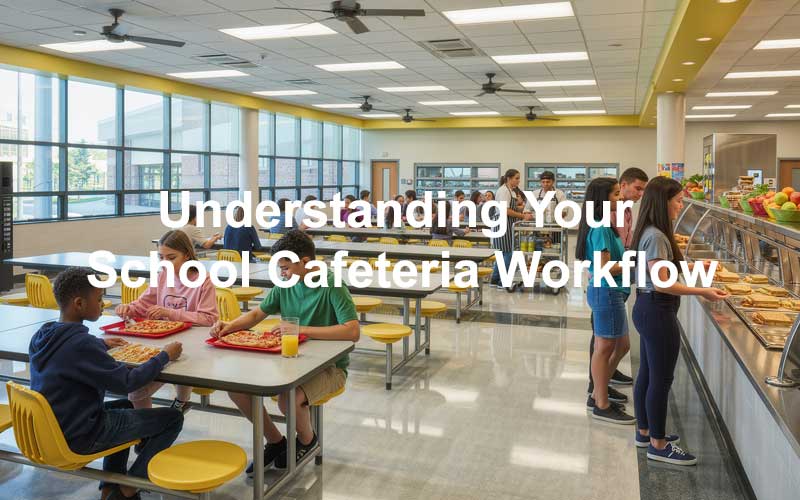
Every school cafeteria has its unique workflow, which can influence the choice of technology. Before making a decision, it’s vital to assess how meals are served and where bottlenecks occur. Here are some questions to consider:
• What is the primary method of student identification? Are students entering PINs manually, or do they use barcodes or RFID cards?
• How busy are the peak service times? Identifying rush hours can help determine the need for faster processing solutions.
• Are there mobile meal service options? If your school utilizes mobile carts for breakfast or lunch, ensure the PIN pad can accommodate this setup.
• Is accessibility a priority? Consider whether the devices need to be ADA-compliant to cater to all students.
By answering these questions, you can better understand the specific requirements of your cafeteria and select a PIN pad that aligns with your operational needs.
Types of PIN Pads Available
When it comes to cafeteria PIN pads, there are several types to consider, each with its advantages and disadvantages. Here’s a breakdown of the most common options:
Traditional PIN Entry Keypads
These school lunch pin pads are straightforward and reliable, making them a popular choice for many schools. They typically feature:
• Large, tactile buttons for easy input.
• Braille labeling to assist visually impaired students.
• Durable construction to withstand heavy use.
Traditional PIN entry systems are ideal for schools that prefer a simple, no-frills approach to meal transactions.
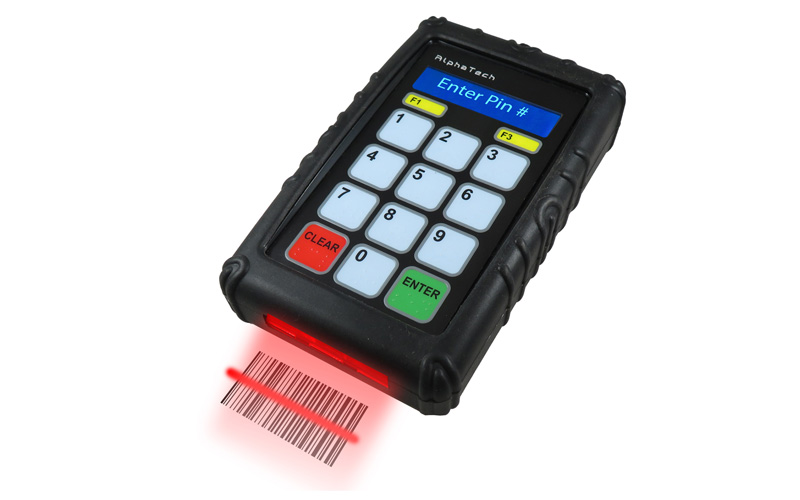
Barcode and QR Code Scanners
For schools looking to speed up the checkout process, barcode and QR code scanners can be a game-changer. These systems allow students to quickly scan their ID cards, reducing wait times significantly. Key benefits include:
• Faster transaction times, which can alleviate congestion during peak hours.
• Reduced errors in student identification, as scanning is generally more accurate than manual entry.
• Flexibility in deployment, as these systems can be integrated into mobile carts for on-the-go service.
RFID Systems
Radio Frequency Identification (RFID) technology offers a modern solution for student identification. RFID systems enable students to simply tap their ID cards on the reader, providing a seamless experience. Advantages include:
• Contactless transactions, which enhance hygiene and reduce the spread of germs.
• Increased speed at checkout, allowing for quicker service during busy periods.
• Compatibility with various ID formats, including MiFare and HID Prox.
RFID pin pad scanners are particularly beneficial for high-volume cafeterias where speed is essential.
Evaluating Cost Considerations
Budget constraints are a reality for many school districts, especially smaller ones. When selecting a PIN pad, consider the following cost-related factors:
• Initial investment: Some advanced systems may require a higher upfront cost, but they could lead to long-term savings through increased efficiency.
• Maintenance and support: Ensure that the chosen system comes with reliable customer support and warranty options to minimize downtime.
• Scalability: Look for systems that allow for incremental upgrades. This way, schools can start with basic features and expand as their needs grow.
By carefully evaluating these cost considerations, schools can make informed decisions that align with their financial capabilities.
Durability and Daily Use
Cafeteria environments can be demanding, with high foot traffic and frequent cleaning. Therefore, it’s crucial to select a PIN pad that can withstand daily wear and tear. Consider the following features:
- Robust construction: Look for devices that are designed for high-use environments, with keypads rated for millions of presses.
- Easy-to-clean surfaces: Hygiene is paramount in food service, so choose models that can be easily sanitized.
- Protection against spills: Some devices come with protective covers or are designed to resist liquid damage.
Investing in durable equipment can reduce the frequency of replacements and ensure consistent service.
Accessibility Features
Ensuring that all students can use the PIN pad is essential for an inclusive cafeteria environment. Look for models that incorporate:
- Braille key labels for visually impaired students.
- Large, easy-to-press buttons that accommodate younger users or those with disabilities.
- High-contrast displays to enhance visibility.
By prioritizing accessibility, schools can create a welcoming environment for all students, ensuring that everyone can participate in the meal service process.
Consulting with Experts and Staff
Choosing the right PIN pad is not a decision that should be made in isolation. Engaging with experts can provide valuable insights into the best options for your specific needs. Consider the following steps:
- Consult with vendors and manufacturers: Reach out to manufacturers such as AlphaTechs USA or suppliers who specialize in cafeteria technology. They can provide tailored recommendations based on your cafeteria’s workflow.
- Seek feedback from staff: Involve cafeteria staff in the decision-making process. Their firsthand experience can highlight practical needs and preferences.
- Review case studies: Look for examples of other schools that have successfully implemented similar systems. Learning from their experiences can guide your decision.
By collaborating with experts and staff, schools can make informed choices that enhance their cafeteria operations.
Final Thoughts
Choosing the right PIN pad for your school cafeteria is a multifaceted decision that requires careful consideration of various factors, including workflow, technology options, cost, durability, and accessibility. By taking the time to evaluate these elements and consulting with experts, schools can select a solution that enhances efficiency and provides a positive experience for students.
Whether your focus is on speeding up lunch lines, modernizing with RFID technology, or ensuring accessibility for all students, the right PIN pad can make a significant difference in your cafeteria operations.
AlphaTechs USA offers a wide selection of Innovative Pin Pad and Scanners for School Cafeterias
Looking to upgrade your cafeteria checkout process and make school lunch lines move faster? You came to the right place!
Specifically created for US school cafeterias, our best-selling pin pad AlphaPad, scanner combos AlphaScan 1D, AlphaScan QR Express and AlphaScan RFID are compatible with all school lunch POS systems. Each unit comes with a free complementary anti-shock cover designed to keep your devices safe at all time.
Stand-alone readers are also available including orbital scanners, USB handheld barcode scanners as well as Bluetooth handheld barcode scanners.
For any school cafeteria POS scanner question, feel free to contact us.