
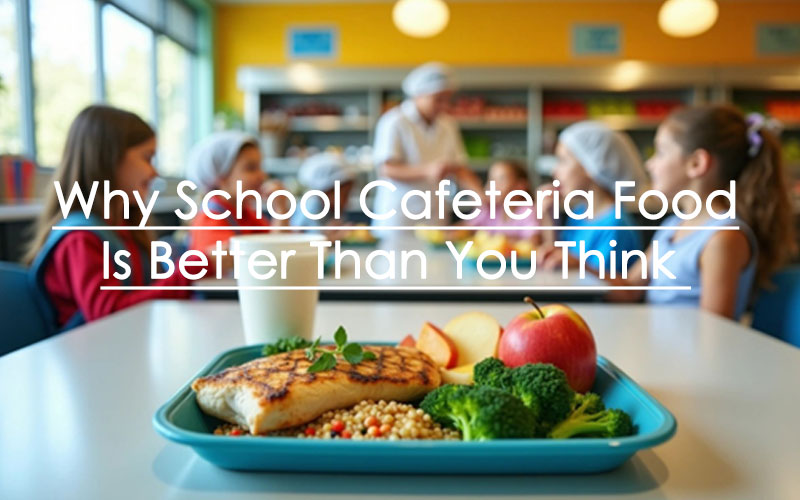
School lunch programs now provide the most reliable source of well-balanced meals for many children. The National School Lunch Program reaches 99 percent of U.S. public schools and about 83 percent of private and public schools combined. These improvements affect children’s lives by a lot, since roughly 95 percent of American students eat one or two meals at school during school days. New York City’s updated food standards now affect over 219 million meals and snacks distributed through local programs yearly.
The landscape changed dramatically in 2010 when the Healthy, Hunger-Free Kids Act introduced stricter nutritional standards. Modern school cafeterias serve balanced portions of fruits, vegetables, proteins, grains, and dairy – nowhere near the cafeteria food from our childhood days. The standards keep evolving, with updates taking place about every 3-5 years since 2011.
Why School Cafeteria Food Gets a Bad Rap
School cafeteria food has improved remarkably, yet myths about it continue to spread through our society. Students and parents often shy away from school meal programs that feed millions of children daily because of these wrong ideas.
Common misconceptions about cafeteria meals
People’s views about school lunch programs don’t match reality. Many believe school meals make kids overweight, but studies show students eating school lunches tend to maintain healthier weights. Parents think cafeterias serve mostly processed foods, but schools nationwide have made huge progress in offering healthy options.
Many people think school cafeterias mainly serve greasy, fried foods. The reality? North Carolina schools have removed fried foods completely – all 76% of them. French fries and chicken nuggets might look like their restaurant counterparts, but they’re baked, not fried. Schools use leaner ingredients too, meeting federal guidelines.
Parents skip school meals because they think packed lunches from home are better. Research tells a different story – kids who eat school lunch eat less fat and more fruits and vegetables than those bringing lunch from home.
The belief that school lunch programs only serve low-income students raises serious concerns. This stigma has decreased but still exists, especially among White parents who see more stigma than Hispanic parents.
Food quality and variety face skepticism too. Only 37% of parents think school lunches taste good, and more than half say their kids get bored with the menus. These views persist despite major improvements in nutrition standards after the Healthy, Hunger-Free Kids Act of 2010.
How media and pop culture shaped opinions
Movies, TV shows, and other media have shaped our views of cafeteria food. Popular films like “Mean Girls,” “High School Musical,” and the “Harry Potter” series show school cafeterias as social hubs where identities take shape.
These shows rarely talk about nutrition. They focus on cafeterias as places for social drama instead. One researcher points out that pop culture creates “a major repository of visual elements, ideas, practices, and discourses that affect our relationship with food consumption”.
News outlets add to these misconceptions. Their stories often focus on what parents should do rather than addressing system-wide solutions. Parent advice makes up 14% of school nutrition news coverage – the biggest single topic. Stories mentioning environmental factors often make people trust government oversight less.
School lunch reforms have become politically charged. Research shows people support better school nutrition differently based on who suggests the changes. Military or scientific experts get the most support, while political figures like Michelle Obama get much less. This turns a health issue into a political argument.
These media and cultural influences create obstacles for school nutrition programs. They work hard to serve millions of American students while fighting old stereotypes daily.
How School Lunches Have Evolved Over Time
School lunch programs have transformed remarkably since their early days, changing how America feeds its students.
From canned goods to fresh produce
School meals look nothing like they did years ago. Back in the early 1900s, charitable groups started offering penny lunches in Philadelphia (1894) and Boston (1910) to help malnourished children. Some resourceful teachers even used their classroom heating stoves to warm up soups and other foods students brought from home.
Most cafeteria food in the mid-20th century came from cans and processed items. President Harry Truman signed the National School Lunch Act in 1946, which created the program. The focus back then was getting enough calories to students rather than providing the best nutrition.
People gradually realized fresh foods mattered more. All the same, federal regulations in the 1970s and 1980s actually loosened the rules on sugar, salt, and fat in school meals. This ended up lowering the food’s nutritional value. Nutritionists later called this period the “fastfoodification” of school cafeterias.
Things started to change in the mid-1990s. Health professionals raised alarms about childhood obesity. School lunch reformers pushed to add more fresh fruits, vegetables, whole grains, and low-fat dairy products.
Impact of the Healthy, Hunger-Free Kids Act
The biggest change came with the Healthy, Hunger-Free Kids Act (HHFKA) of 2010. This law brought stronger nutrition rules to the National School Lunch Program, helping fifty million children daily across 99,000 schools. The law made school meals match the Dietary Guidelines for Americans for the first time.
Major changes included:
- More fruits and vegetables as separate meal components
- Limits on starchy vegetables
- Increased whole grain requirements
- Fat-free or low-fat milk options
- Reduced sodium levels
- Elimination of trans fats
Student participation dropped to its lowest when the changes first started but bounced back as kids got used to healthier foods. The law’s impact on poor children proved remarkable. Obesity risk went down each year after the changes began, leading to 47 percent less obesity by 2018 compared to expected rates without the law.
Studies show school lunches became much healthier after these changes. Low-income students who ate school lunches saw their dietary quality scores jump from 42.7 to 54.6 – much better than students who didn’t participate.
The rise of whole grains and plant-based options
Today’s rules say at least 80 percent of weekly grains in school meals must be “whole grain-rich” – containing at least 50 percent whole grains with enriched grains making up the rest. Schools can still adjust meals for regional and cultural tastes while meeting these guidelines.
Plant-based options have become a hot trend in school cafeterias. Many schools now serve plant-forward meals at least once every week. Kids enjoy items like sweet potato curry, lentil meatballs, and falafel burgers.
These plant-based meals do more than just provide good nutrition. They cost less, help the environment, and work well for different religious and cultural needs. Middletown Public Schools’ experience shows promise – their student taste tests of plant-based burgers got positive feedback from 75% of kids.
Schools keep improving by partnering with local farms to get fresh, locally-grown produce. This farm-to-school connection shows how school food continues to change from processed convenience items to nutritious, eco-friendly meals.
What the 2025 Standards Actually Include
The 2025 school meal standards will reshape the scene of cafeteria food history. Federal and state regulations are bringing big changes to student lunch trays.
No more processed meats or artificial colors
School lunch programs across the nation are saying goodbye to artificial food dyes. West Virginia led the way by banning seven synthetic dyes from school meals. New York City followed suit with tighter rules on artificial colors and completely banned processed meats from public schools and city-run hospitals.
These changes stem from health concerns about synthetic dyes that scientists have linked to behavioral issues like hyperactivity in some children. Food makers are now creating products with natural alternatives. They use beet juice, turmeric, and other plant-based sources to color food.
California stands out as the first state that will ban ultraprocessed foods from school meals by 2035. This groundbreaking law targets ingredients like artificial flavors, thickeners, emulsifiers, and non-nutritive sweeteners.
Limits on added sugars and sodium
The USDA now sets specific limits on added sugars in school meals. Starting July 2025, breakfast cereals must stay under 6 grams of added sugar per dry ounce. Yogurt will max out at 12 grams per 6 ounces, and flavored milk can’t go beyond 10 grams per 8 fluid ounces.
July 2027 brings more complete sugar limits. Added sugars must stay below 10% of weekly calories in both breakfast and lunch programs. This is a big deal as it means that current levels will drop from 17% at breakfast and 11% at lunch.
Schools will cut sodium too – lunch by 15% and breakfast by 10% by July 2027. This gradual approach lets schools and food makers adapt their menus and create new products.
More whole foods and plant proteins
Schools must keep offering mostly whole grains – 80% of weekly grains need to be primarily whole grain. The new rules also make it easier to add a variety of protein sources to menus.
Schools can now include plant proteins like beans, peas, lentils, nuts, seeds, and foods like hummus in their meals. This change helps students with different dietary priorities while filling nutrition gaps. Most kids eat enough meat but don’t get enough vegetables, beans, and plant-based proteins .
New York City wants schools to use whole or minimally processed food and cook meals from scratch whenever possible. The USDA is putting $100 million into the Healthy Meals Incentives Initiative to boost nutrition quality. They also support connecting farms to schools through yearly grant programs.
The Science Behind the New Nutrition Guidelines
School lunch trays represent more than just food – they’re built on nutritional science that powers growing bodies and developing minds. Students get more than half their daily calories from school meals, with breakfast providing 19-24% and lunch delivering 30-34% of total calories.
How meals support child development
A child’s brain needs all essential nutrients to build and maintain its structure. Kids who don’t get enough nutrition risk damage to their cognitive development. Low iron levels in early childhood hurt intelligence and overall brain development because iron helps form neurological pathways. The brain’s structure and function depend on zinc, and kids who don’t get enough show delays in motor development and struggle with attention and short-term memory.
Other critical nutrients include:
- Iodine – the brain needs it to develop, and its shortage is the leading cause of intellectual disability worldwide
- Folate – helps create DNA/RNA and form the nervous system
- LC-PUFAs (particularly DHA and EPA) – the brain needs these to grow and develop memory
Nutrient targets for energy, focus, and growth
Kids typically need about 1600-2200 calories each day, depending on how active they are. Nutritional guidelines set both minimum and maximum caloric targets to ensure kids get enough food without getting too much.
Kids should get 25-35% of their calories from fat, with saturated fat making up less than 10%. Added sugar remains a big challenge. The Dietary Guidelines say added sugars should be less than 10% of calories, but school breakfasts now provide about 17% of calories from added sugars and lunches about 11%.
Why balanced meals matter more than ever
Research shows that kids in school meal programs eat more whole grains, milk, fruits, and vegetables during meals and have better overall diet quality. Poor nutrition leads to lower grades, worse health, and more behavior problems.
Breakfast kicks off the day’s learning. Students who eat in the morning stay more alert and have better moods throughout the morning. Without doubt, nutrition security – regular access to foods that boost health and prevent disease – matters just as much as making sure kids don’t go hungry.
What Kids Are Actually Eating Today
Step into any school cafeteria today and you’ll see a menu that’s completely different from what we remember.
Sample cafeteria school lunch menus
Modern cafeteria food has dishes like chicken katsu with locally grown bok choy, scratch-cooked pozole topped with fresh vegetables, and coconut-crusted local fish with homemade tropical sauces. Students in many districts enjoy yakisoba noodles from local producers among fresh fruits and greens. Many schools now work with nearby farms to serve local fish with rice and vegetable.
Themed days and cultural variety
Schools celebrate their student population’s diversity through special cafeteria events. The 2024-2025 calendar shows monthly theme days such as:
- Cultural celebrations like Lunar New Year, Cinco de Mayo, and King’s Day
- Holiday-themed meals such as Thanksgiving Feast and Valentine’s Day
- Pop culture events including “May the 4th Be with You” Star Wars celebrations
These special events help schools recognize the various cultural and religious groups in their communities. School lunch programs now regularly offer vegetarian, vegan, and halal options.
How schools make food fun and healthy
School cafeterias change their dining spaces with engaging themes – from underwater adventures to retro diners. The core team wears themed costumes to make healthy eating more exciting. Students get involved by taste-testing new menu items, and one middle school’s students unanimously added pupusas to their regular menu.
Conclusion
School cafeteria food has evolved beyond mystery meat and mushy vegetables. Parents and students who cling to outdated perceptions might be surprised by the nutritious options accessible to more people today. The shift from processed foods to fresh produce, whole grains, and plant-based proteins shows how far public health policy has come.
Students who eat school meals tend to make healthier choices than those who bring lunch from home – research backs this up. This fact challenges what many of us assume about cafeteria food quality. The Healthy, Hunger-Free Kids Act laid the groundwork for ongoing improvements that the 2025 standards build on. These include limits on added sugars, reduced sodium, and no artificial colors.
School cafeterias now serve as cultural education hubs through themed meals that celebrate diversity while meeting strict nutritional standards. These programs do more than feed students – they provide key nutrients that boost brain development, academic performance, and overall health.
More families now see the value of school meals, and the old stigma continues to fade. Past media coverage and cultural stereotypes painted a negative picture, but today’s cafeteria tells a different story. Students enjoy dishes ranging from chicken katsu with local vegetables to fresh-topped pozole made from scratch.
School nutrition programs face ongoing challenges and misconceptions, but they deserve credit for their achievements. Next time someone jokes about cafeteria food, note that today’s school meals pack more nutrients, less processed ingredients, and better variety than many home-packed lunches. These improvements matter substantially to millions of children who depend on school meals each day.
About AlphaTechs USA
AlphaTechs USA offers a wide selection of innovative solutions designed to improve school lunch experience and make lunch lines go faster.
Specifically created for US school cafeterias, our pin pads, 1D scanners and 1D/2D QR barcode scanners and RFID code readers are compatible with all school lunch POS systems. Each unit comes with a free complementary anti-shock cover designed to keep your devices safe at all time.
Stand-alone readers are also available including orbital scanners, USB handheld barcode scanners as well as Bluetooth handheld barcode scanners.
Our devices are compatible with all US school cafeteria POS systems.
For any school cafeteria scanner question, feel free to contact us.

[1] – https://foodcorps.org/blog-amazing-school-lunches/
[2] – https://pmc.ncbi.nlm.nih.gov/articles/PMC8839299/
[3] – https://schoolnutrition.org/wp-content/uploads/2024/05/Nutrition-Standards-for-School-Meals.pdf
[4] – https://www.farmtoschool.org/news-and-articles/usda-final-rule-on-child-nutrition-program-standards-includes-major-wins-for-farm-to-school
[5] – https://www.pbs.org/food/stories/history-school-lunch
[6] – https://www.georgiaencyclopedia.org/exhibition/food-power-and-politics-the-story-of-school-lunch/
[7] – https://stacks.cdc.gov/view/cdc/104310
[8] – https://www.healthaffairs.org/doi/10.1377/hlthaff.2020.00133
[9] – https://pmc.ncbi.nlm.nih.gov/articles/PMC5719678/
[10] – https://jamanetwork.com/journals/jama/fullarticle/2768807
[11] – https://www.fns.usda.gov/cn/school-nutrition-standards-updates/whole-grains
[12] – https://www.schoolfoodmatters.org/news-views/blog/heres-why-schools-are-introducing-plant-based-options-menu
[13] – https://www.nbcconnecticut.com/news/local/plant-based-food-nutritious-options-expand-menus-and-minds-at-middletown-schools/2932408/
[14] – https://www.ap.org/news-highlights/spotlights/2025/west-virginia-scrambles-to-strip-artificial-dyes-from-school-meals-before-classes-start/
[15] – https://www.chalkbeat.org/2025/08/29/school-food-standards-processed-meats-ban/
[16] – https://www.ijpr.org/education/2025-10-10/newsom-signs-first-in-nation-law-to-ban-ultraprocessed-food-in-school-lunches
[17] – https://education.mn.gov/mdeprod/idcplg?IdcService=GET_FILE&dDocName=PROD086656&RevisionSelectionMethod=latestReleased&Rendition=primary
[18] – https://www.fns.usda.gov/cn/school-nutrition-standards-updates
[19] – https://foe.org/resources/policy-brief-regulatory-changes-to-enable-plant-forward-school-meals/
[20] – https://www.federalregister.gov/documents/2024/04/25/2024-08098/child-nutrition-programs-meal-patterns-consistent-with-the-2020-2025-dietary-guidelines-for
[21] – https://www.ncbi.nlm.nih.gov/books/NBK219986/
[22] – https://www.obesityaction.org/resources/kids-corner-food-nutrition-and-energy-in-children/
[23] – https://fns-prod.azureedge.us/sites/default/files/SchoolMealsIOMPhaseI.pdf
[24] – https://www.usda.gov/about-usda/news/blog/healthier-foods-healthier-minds
[25] – https://www.cspi.org/sites/default/files/2025-08/SchoolNutritionStandardsFS.pdf
[26] – https://schoolcafe.org/theme-days/
[27] – https://schoolnutrition.extension.illinois.edu/blog/36
[28] – https://www.fns.usda.gov/programs/cultural-foods-preferences
[29] – https://foodforgood.ca/2023/09/04/exploring-cultural-diversity-in-school-lunches/
[30] -https://www.ingeniouscc.com/themes-for-school-cafeteria/