
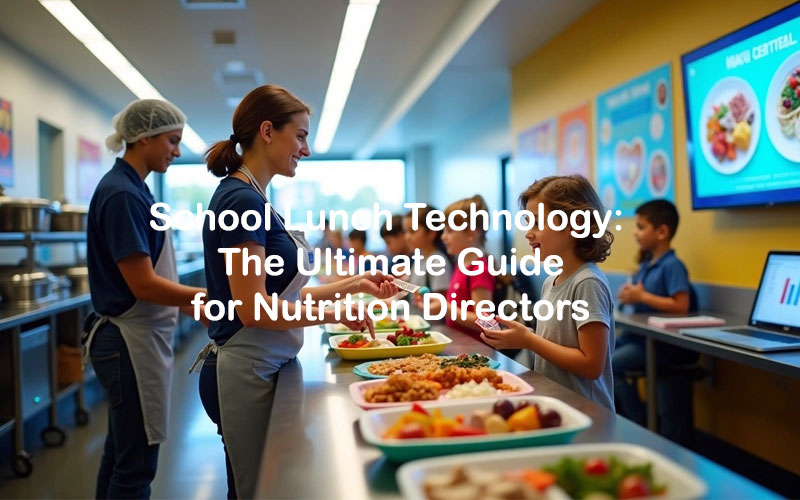
Modern solutions have transformed how we deliver food assistance services. Food technology apps streamline ordering and school cafeteria mini terminals accelerate checkout. These tools address real operational needs. Miniterm barcode scanners for school lunch and other school cafeteria input devices reduce wait times and improve accuracy in meal tracking.
I’ll walk you through the current technology landscape in this piece. You’ll understand the core categories you need to know and how to build an effective technology roadmap for your nutrition program.
The Current State of School Lunch Technology
Nutrition programs operate within a fragmented technology landscape. Point-of-Sale systems have become the most used platform in larger districts [1]. But adoption remains uneven. Many school nutrition directors haven’t implemented software applications that could reduce costs and improve productivity [1].
The operational reality looks like this: menus live in one system, procurement in another, and inventory tracking often happens on spreadsheets [2]. This disconnection creates inefficiency and waste. Some districts still rely on manual, paper-based processes that prove time-consuming and difficult to convert into reports [3].
Regulatory pressures compound these challenges. New requirements for nutrition standards and Buy American tracking just need more sophisticated systems [2]. Proposed changes to the Community Eligibility Provision could affect over 24,000 schools serving 12 million students and potentially eliminate automatic eligibility for 1 million students [2]. These shifts require increased time and reporting capacity.
Programs already struggle with high food and labor costs alongside staffing shortages [2]. Many existing technology systems weren’t built for these demands [2]. Limited IT staff support further constrains districts from modernizing their operations [1].
The gap between early adopters using integrated school lunch technology and those managing with outdated tools continues to widen. This creates disparities in operational efficiency and compliance readiness.
Core Technology Categories Every Nutrition Director Should Know
Understanding the core technology categories helps you review what your program needs. Electronic POS systems dominate the market, with 85.3% of nutrition directors using them [4]. These systems track meals served and manage student accounts while verifying free and reduced-price eligibility. They interface with district student data systems [4].
Back of House technology handles production planning, inventory tracking and recipe management. Up-to-the-minute perpetual inventory allows you to monitor stock value at one location for sites of all types [3]. Menu planning software must be USDA-approved for nutrient analysis during administrative reviews [5]. It helps you create compliant menus and tracks costs while forecasting purchases [3].
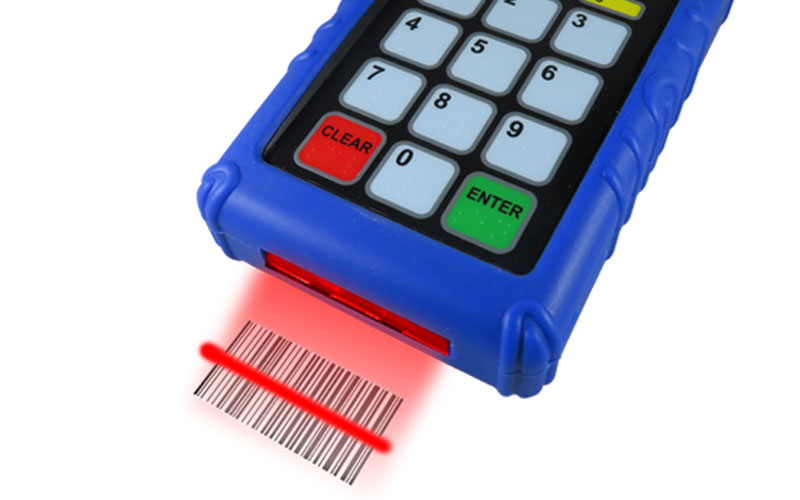
Front of House systems focus on service speed. Barcode scanners and PIN pads create dual-method student identification. This prevents bottlenecks when cards are lost or PINs forgotten [6]. These school cafeteria input devices process transactions and give students more time to eat [6].
Parent participation platforms provide payment processing and menu viewing. They handle meal application submission through web portals and food technology apps [3]. Online ordering systems let families pre-order meals and customize orders for dietary needs. This reduces lunch line congestion [7].
Each category addresses specific operational needs. Selecting the right combination depends on your district size, existing infrastructure and program goals.
Building Your School Lunch Technology Roadmap
An effective technology roadmap starts with assessing where gaps exist in your current operations. Menu planning, POS systems and inventory management rank as the three most important software purchases among nutrition directors [8]. These priorities reflect direct operational effect rather than flashy features.
Your staff’s computer skill level influences adoption success by a lot. Directors with higher noticed computer skills use more technology applications. They view future acquisitions as critical to meeting program goals [8]. Those with less confidence identify barriers like inadequate funds, outdated computers and lack of IT support [8]. Training programs that are a great way to get USDA Professional Standards hours can address these skill gaps [1].
Vendor selection requires evaluation. Look for partners who understand school-specific pressures and provide transparent pricing discussions. They should have reliable integrations with your existing systems [2]. Ask about support availability outside normal business hours and how they handle mid-contract changes [2].
Budget decisions matter. Subscription models are flexible with yearly payments and no long-term commitment. Perpetual licenses provide forever usage rights but require upfront investment and ongoing maintenance costs [9]. Track progress using key performance indicators including meal equivalents, cost per meal and inventory turnover rates [10].
Plan ahead for the July 1, 2026 deadline requiring electronic free and reduced-price meal application methods [11].
Conclusion
School lunch technology addresses real operational challenges that affect millions of students daily. The right systems reduce costs and improve compliance while freeing up your time to focus on strategy.
Start by assessing your current gaps and training your team. Select vendors who understand school nutrition programs. The July 2026 compliance deadline approaches fast, so now is the time to build your technology roadmap. Close the efficiency gap that separates early adopters from those still managing with outdated tools.
FAQs
Q1. What are the main challenges facing school nutrition staff today? School nutrition staff face several significant challenges including high food and labor costs, staffing shortages, declining enrollment, and fragmented technology systems. Many programs still rely on manual, paper-based processes that are time-consuming and difficult to convert into reports. Additionally, regulatory pressures for nutrition standards compliance, Buy American tracking, and local food purchase reporting require more sophisticated systems than many districts currently have in place.
Q2. What types of technology do nutrition directors consider most important for their programs? Menu planning software, Point of Sale (POS) systems, and inventory management consistently rank as the three most important technology purchases among nutrition directors. These priorities reflect direct operational impact, with 85.3% of nutrition directors currently using electronic POS systems to track meals served, manage student accounts, and verify free and reduced-price eligibility.
Q3. How do barcode scanners improve school cafeteria operations? Barcode scanners combined with PIN pads create a dual-method student identification system that prevents bottlenecks when cards are lost or PINs are forgotten. These school cafeteria input devices process transactions quickly, reducing wait times in lunch lines and giving students more time to eat their meals while improving accuracy in meal tracking.
Q4. What should nutrition directors consider when selecting technology vendors? When selecting vendors, nutrition directors should look for partners who understand school-specific pressures, provide transparent pricing discussions, and offer robust integrations with existing systems. It’s important to ask about support availability outside normal business hours and how vendors handle mid-contract changes. Additionally, consider whether subscription models with yearly payments or perpetual licenses with upfront investment better fit your budget and operational needs.
Q5. What is the upcoming compliance deadline that nutrition directors need to prepare for? Nutrition directors need to prepare for the July 1, 2026 deadline that requires electronic free and reduced-price meal application methods. This regulatory requirement means districts must have technology systems in place to handle digital meal applications, making it essential to build a technology roadmap and implement appropriate solutions before this date.
AlphaTechs USA offers a wide selection of Innovative Scanners for School Nutrition Departments
Specifically created for US school cafeterias, our pin pads, 1D scanners and 1D/2D QR barcode scanners and RFID code readers are compatible with all school lunch POS systems. Each unit comes with a free complementary anti-shock cover designed to keep your devices safe at all time.
Stand-alone readers are also available including orbital scanners, USB handheld barcode scanners as well as Bluetooth handheld barcode scanners.
For any school cafeteria POS scanner question, feel free to contact us.
References
[1] – https://ed.cde.state.co.us/nutrition/training
[2] – https://blog.blackbaud.com/school-administrators-guide-to-smart-vendor-selection/
[3] – https://www.linq.com/solutions/nutrition/district-nutrition/
[4] – https://schoolnutrition.org/journal/fall-2017-use-of-point-of-service-systems-in-school-nutrition-programs-types-challenges-and-employee-training/
[5] – https://www.fns.usda.gov/tn/usda-approved-nutrient-analysis-software
[6] – https://www.genovation.com/faster-cafeteria-lines-with-student-id-pin-pads-and-barcode-scanners/
[7] – https://hotlunch.com/
[8] – https://schoolnutrition.org/journal/fall-2012-school-nutrition-directors-perceptions-of-technology-use-in-school-nutrition-programs/
[9] – https://www.primeroedge.com/post/buying-school-nutrition-software-purchase-or-subscription
[10] – https://theicn.org/applied-research-division-news-2/
[11] – https://content.govdelivery.com/attachments/NDDPI/2025/08/15/file_attachments/3357028/BTSW2025_Technology_in_School_Food_Service_Presentation.pdf