School lunch times paint a surprising picture. Students get nowhere near enough time to eat their meals. The National School Lunch Program serves over 30 million students daily. About half of school districts across the country don’t make it mandatory or even suggest that schools give students 20 minutes to eat their lunch.
The lunch time problem is systemic. Schools with 30-minute lunch periods show that 61% of students sit down to eat for less than 25 minutes. Even worse, 9% of students have under 20 minutes. The CDC’s recommendation states children need at least 20 minutes of seated time to finish their lunches. Yet less than 50% of U.S. school districts follow this guideline.
Rushed lunches create more problems than just hungry kids. Students who get less than 20 minutes to eat consume 12.8% less of their entrées compared to those with 25 minutes or more. On top of that, students with longer eating times get more Vitamin C and fiber in their diet. School meals provide up to half the daily energy intake for many children, especially those from low-income families.
In this piece, we’ll look at the gap between scheduled lunch periods and actual eating time. We’ll explore how waiting affects nutrition and what schools can do to give students enough time for this crucial daily routine.
Understanding Lunch Time vs. Wait Time
Parents and educators often think a 30-minute lunch period gives students enough time to eat. The reality of school lunch time shows a big difference between what’s on the schedule and what students actually get.
What is seat time?
Seat time means the time students get to sit and eat their meal—not the whole lunch period. Schools often miss this vital difference when making schedules. School lunch periods might run 20-30 minutes, but seat time doesn’t include all the things students need to do before they can start eating.
The CDC and American Academy of Pediatrics say students need at least 20 minutes of actual seated time to eat their lunch. All the same, about half of school districts across the country don’t make sure schools give students 20 minutes to eat after getting their food.
Studies show schools should set aside at least 30 minutes for the whole lunch period to give students their 20 minutes of seat time. Students need this extra time because they have many things to do before they can start eating.
How wait time reduces actual eating time
The trip from classroom to actually eating lunch takes several time-consuming steps that cut into seat time by a lot. These include:
- Walking from classrooms to the cafeteria
- Using restrooms and washing hands
- Waiting in serving lines
- Selecting food items and paying
- Finding a place to sit
- Socializing with peers
- Bussing trays after eating
These delays create big differences in eating time between students. Kids at the front of the line get much more time to eat (about 17.8 minutes) than those at the end (just 12.4 minutes). Some students at the back of the line spend up to 13 minutes—almost half their lunch period—just waiting.
Research has found some scary examples where students had only 10 minutes to sit and eat, even with 30-minute scheduled lunch periods. In the worst cases, researchers with stopwatches saw students at the end of lunch lines getting just 5 minutes to eat their meals.
Why this difference matters
The gap between scheduled lunch time and actual eating time creates serious problems. Students who get less than 20 minutes to eat consume less of their entrées (13% less), vegetables (12% less), and milk (10% less) than students who get at least 25 minutes.
Less seat time means worse nutrition. Students with under 20 minutes to eat miss out on important nutrients like fiber, calcium, and vitamins. This hits low-income students hardest, since school lunch might be their best meal of the day.
Quick lunch periods lead to more food waste. Schools with 20-minute lunch periods waste about 43% of their food, while 30-minute periods waste only 27%. Schools across the country waste about 530,000 tons of food each year, and rushed lunches make this problem worse.
The difference between scheduled lunch periods and actual seat time plays a key role in meeting students’ nutrition needs and making school meal programs work better.
How Wait Times Affect Food Selection and Consumption
Studies show a direct link between limited eating time and students’ food choices during school lunch periods. A few minutes can substantially change what students pick and eat from their lunch options.
Reduced fruit selection with less time
Students need at least 20 minutes to eat lunch properly. The numbers tell an interesting story – only 44% of time-pressed students pick fruit compared to 57% of students who get 25 minutes or more to eat. This 13% gap means thousands of students miss out on vital vitamins at schools across the country.
Time pressure creates more problems. Students with less time waste more fruit – about 9.61 extra grams during 10-minute lunches compared to 20-minute periods. This shows that rushed students might grab fruit but can’t finish it.
Lower consumption of vegetables and milk
Students’ vegetable and milk intake drops as lunch times get shorter. Students with less than 20 minutes eat:
- 12% less of their vegetables
- 10% less of their milk
- 1 percentage points less vegetables during 10-minute lunches versus 20-minute ones
Each extra minute of lunch time helps students eat 1.685 percentage points more vegetables. These shorter lunches lead to missed nutrients – less dietary fiber (0.51g), protein (1.11g), iron (0.20mg), and potassium (53.49mg).
Impact on entrée consumption
Students prioritize their main dish but still struggle to finish it quickly. Those with less than 20 minutes eat 13% less of their entrée than students who get 25 minutes or more. The situation becomes worse because every student takes the main dish, but many can’t finish it in time.
The difference shows up in calories too. Students eat about 22 fewer calories during 10-minute lunches compared to 20-minute periods. They try to eat some of everything instead of focusing on specific foods – they just run out of time.
The main dish remains popular no matter how long lunch lasts. Students always take it, but without enough time, they can’t finish. This creates nutritional gaps and wastes food.
Nutritional and Health Implications
Short lunch periods don’t just change what students eat. They create serious gaps in nutrition that can harm students’ health now and later in life.
Missed nutrients: fiber, calcium, vitamins
The effects of rushed lunches go way beyond just making kids hungry. Students who don’t get enough time to eat miss out on key nutrients they need to grow. Research shows that kids with less than 20 minutes to eat take in less dietary fiber (-0.51g), protein (-1.11g), iron (-0.20mg), and potassium (-53.49mg) than their peers who have enough time.
These shortages hit nutrients that kids already don’t get enough of:
- Essential vitamins: Kids who rush through lunch lack vitamins A, D, E, and K
- Bone-building minerals: They miss calcium, phosphorus, and magnesium – the building blocks for healthy bones
- Dietary fiber: Kids don’t get the target of 7.7 grams of fiber, regardless of their lunch time
The National School Lunch Program feeds nearly 30 million children each year. This program could help fix common nutrient gaps. But this chance goes to waste when students can’t finish their meals.
Link to childhood obesity and poor digestion
Students who eat too fast don’t notice when they’re full. This leads them to eat more later in the day. They tend to snack more at home and load up at dinner.
Quick eating messes with gut hormones that control appetite. Students feel hungrier even after eating. This creates a bad cycle – poor nutrition at lunch leads to overeating junk food after school.
Rushing through meals means less chewing, which makes digestion harder. Kids who eat too quickly get bloated, gassy, and develop stomach cramps. Over time, this can irritate their stomach lining.
Long-term health risks of rushed eating
Bad eating habits in childhood can cause health problems well into adulthood. People who eat too quickly face higher risks of several serious conditions.
Studies show that fast eaters are 2-5 times more likely to develop metabolic syndrome than those who eat slowly. This condition brings high blood pressure, too much belly fat, and bad cholesterol levels – all of which can lead to heart disease, stroke, and diabetes.
These childhood habits tend to stick around. Research shows that eating too quickly raises the risk of insulin resistance, which can lead to type 2 diabetes. Middle-aged adults who eat fast show more insulin resistance, even if they don’t have diabetes.
Giving students enough time to eat lunch isn’t just about making them comfortable. It helps them develop eating habits that keep them healthy throughout their lives. Schools that make sure students have proper seated lunch time help protect their students’ lifelong health.
Social, Emotional, and Academic Consequences
School lunch periods do more than fuel young bodies. These daily breaks give students critical chances to develop social skills, restore their minds, and prepare academically. All these factors affect student success directly.
Less time to socialize and decompress
Students need lunch breaks to build basic social skills and relationships. Research shows students need 8-10 minutes just to eat their food, without counting the time they need to socialize. School lunch creates a vital social space where children learn to communicate, resolve conflicts, and work as teams.
Meal-time socialization builds strong community bonds among students. Shared meals promote qualities like empathy and understanding. Children who socialize properly during lunch feel less stressed and build stronger friendships.
Today’s students have less free time outside school and more screen exposure. Their lunch period often becomes one of their few chances for meaningful face-to-face interaction.
Increased stress and reduced focus
Students find rushed lunch periods stressful. They describe these times as “frazzled,” “rushed,” and “chaotic”. Many children struggle to eat comfortably in this atmosphere, and their anxiety levels rise.
Students need this midday break to relax, breathe, and recover from morning classes. Brain research proves these mental breaks lift mood and motivation. Children who don’t get enough time to decompress return to class tired and easily distracted.
Connection to academic performance
Good nutrition affects how well students think. Studies show healthier lunches lead to better academic test scores by 0.03 to 0.04 standard deviations (about 4 percentile points). Students who qualify for reduced-price or free school lunches see even bigger improvements – about 40% higher.
Better cognitive functions, including impulse control and memory, go hand in hand with healthier diets. Students who get enough nutrients can concentrate better and feel less irritable, which helps their learning potential. Poor nutrition, especially lack of zinc, B vitamins, Omega-3 fatty acids, and protein, hurts cognitive development.
Schools that serve breakfast in classrooms see positive changes. Their students come on time more often, get in trouble less, attend more classes, and score better in math and reading. These benefits last into adulthood, as school lunch participation links to higher education levels.
What Schools and Policymakers Can Do
School administrators and policymakers need to take action to solve the lunch time crunch. Research shows several strategies that can make a real difference right away.
Set minimum 25-minute seated lunch time
Schools need to guarantee students get at least 25 minutes of actual seated lunch time. The American Federation of Teachers wants legislative action to ensure this minimum requirement. Research shows that 20-25 minutes of seated time leads to less food waste and better eating habits. Only half of US school districts had rules or suggestions for 20-minute seated times in 2016.
Improve cafeteria efficiency
Schools can make their serving lines work better by:
- Creating linear layouts that reduce crowding and waiting
- Setting up pre-ordering systems for customized meals
- Planning different lunch times for each grade
- Using cashless payments to speed up lines
Incorporate lunch time into wellness policies
School boards should add minimum seat times to their wellness policies. These updates can require principals to create schedules with enough time to eat. The USDA’s framework for local wellness policies provides a perfect way to make these changes permanent.
Use volunteers to assist younger students
Parent volunteers help kindergarten and first-grade students open packages, carry trays, and wash hands. Their support is vital during the first two months as young students learn cafeteria routines. Schools need clear guides that outline volunteer duties and expectations.
Conclusion
Our school lunch periods need a complete overhaul. This piece reveals a harsh reality – millions of students don’t get enough time to eat their lunch. Kids at the end of lunch lines barely get a few minutes to finish meals that should give them half their daily nutrients.
The problem goes beyond just being hungry. Students who rush through lunch miss out on fiber, calcium, and vital vitamins. Their grades suffer because they can’t focus, and test scores drop by a lot. These rushed eating habits also lead to obesity, digestive problems, and metabolic issues later in life.
Kids lose precious social time too. Lunch breaks offer rare chances to connect face-to-face in today’s digital world. Students who barely have time to eat don’t get to build empathy and communication skills through social interaction.
Schools need to act now. They should guarantee at least 25 minutes of seated lunch time. Better cafeteria layouts, pre-order systems, and volunteer help for younger students can cut down wait times dramatically.
Ten extra minutes might not seem like much on paper. But for a kid at the end of the lunch line, these minutes make the difference between eating a full, healthy meal or throwing half of it away. School leaders and policymakers must understand that proper lunch time isn’t just about convenient scheduling—it’s a vital investment in students’ health, success, and future.
AlphaTechs USA offers a wide selection of innovative solutions designed to improve school lunch experience and make school lunch lines go faster.
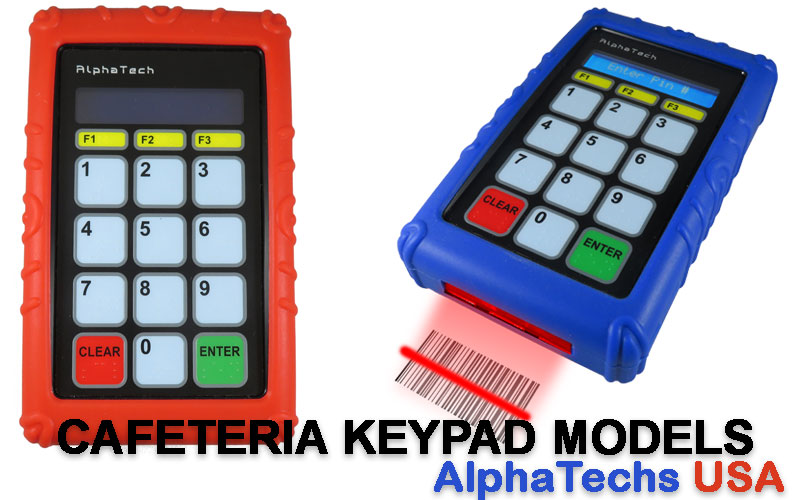
Specifically created for US school cafeterias, our pin pads, 1D scanners and 1D/2D QR barcode scanners and RFID code readers are compatible with all school lunch POS systems. Each unit comes with a free complementary anti-shock cover designed to keep your devices safe at all time.
Stand-alone readers are also available including orbital scanners, USB handheld barcode scanners as well as Bluetooth handheld barcode scanners.
Our devices are compatible with all US school cafeteria POS systems.
For any school cafeteria scanner question, feel free to contact us.