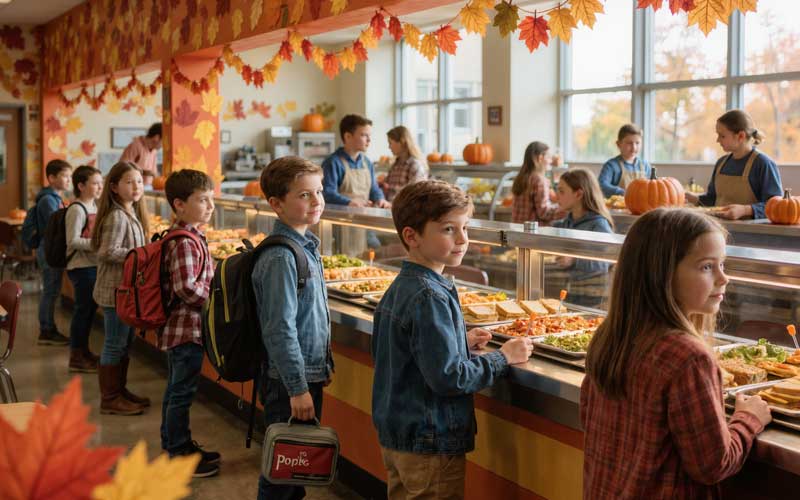
Maintaining a school cafeteria is a multifaceted endeavor that extends beyond simply serving meals. It encompasses the upkeep of kitchen equipment, adherence to health regulations, and ensuring a safe environment for both staff and students. As the academic year progresses, the importance of a well-maintained cafeteria becomes increasingly evident. This guide will explore the essential practices for maintaining school cafeteria equipment, emphasizing the significance of proactive maintenance, especially during the summer months when the kitchen is less active.
The Importance of Regular Maintenance
Operational Efficiency
A well-maintained cafeteria is crucial for operational efficiency. Regular maintenance of kitchen equipment minimizes downtime, ensuring that meal services run smoothly. Equipment failures can lead to delays, impacting the overall dining experience for students and staff. By implementing a routine maintenance schedule, schools can avoid unexpected breakdowns and maintain a consistent flow of service.
Safety and Compliance
Safety is paramount in any food service environment. Regular maintenance helps ensure that all equipment meets health and safety standards, reducing the risk of accidents and foodborne illnesses. Compliance with local health regulations is not only a legal requirement but also essential for safeguarding the well-being of students and staff. Schools must prioritize the maintenance of equipment to prevent contamination and ensure a safe dining environment.
Cost-Effectiveness
Investing in regular maintenance can lead to significant cost savings in the long run. By addressing minor issues before they escalate into major repairs, schools can avoid costly replacements and emergency service calls. Additionally, well-maintained equipment operates more efficiently, reducing energy consumption and operational costs.
Key Equipment Requiring Maintenance
Ovens and Stoves
Daily Cleaning: Keeping ovens and stoves clean is essential for safe cooking. Regularly wipe down surfaces to remove grease and food debris, which can pose fire hazards.
Inspection: Conduct routine checks on burners and safety valves to ensure they are functioning correctly. This helps maintain consistent cooking temperatures and prevents accidents.
Professional Servicing: Schedule professional inspections periodically to identify potential issues before they become significant problems.
Refrigeration Units
Temperature Monitoring: Daily checks of refrigerator and freezer temperatures are vital to ensure food safety. Any fluctuations can lead to spoilage and health risks.
Seal Integrity: Inspect door seals regularly to maintain efficiency and prevent cold air loss. Damaged seals can lead to increased energy costs and compromised food safety.
Coil Cleaning: Regular cleaning of condenser coils is necessary to enhance cooling efficiency and prevent compressor strain.
Dishwashing Equipment
Descaling: Regular descaling of dishwashers prevents mineral buildup, ensuring thorough cleaning and sanitization.
Filter Maintenance: Clean and replace filters as needed to maintain optimal performance.
Leak Checks: Inspect for leaks and ensure all components are functioning correctly to avoid water damage and inefficiencies.
Food Preparation Equipment
Thorough Cleaning: Clean all food prep equipment, including slicers and mixers, after each use to prevent cross-contamination.
Regular Inspections: Check for wear and tear to maintain safety and efficiency.
Lubrication: Use food-safe lubricants to keep equipment running smoothly.
Summer Maintenance: A Strategic Opportunity
Timing is Key
Summer break presents an ideal opportunity for comprehensive maintenance. With students and staff away, cafeteria managers can focus on inspecting, cleaning, and repairing equipment without the pressure of daily operations. This proactive approach ensures that the kitchen is fully prepared for the demands of the upcoming school year.
Conducting a Complete Equipment Assessment
Before the school year begins, it is essential to evaluate the condition of all major kitchen equipment. This includes:
• Walk-in coolers and freezers
• Refrigerators and prep tables
• Ovens and combi ovens
• Dishwashing equipment
• Ice machines
• Exhaust and ventilation systems
A thorough assessment can identify equipment that requires repairs, replacement parts, or upgrades, allowing for timely action.
Deep Cleaning Procedures
Summer is the perfect time for deep cleaning tasks that are often overlooked during the school year. Areas that benefit from thorough cleaning include:
• Condenser and evaporator coils
• Ice machines
• Walk-in interiors
• Refrigeration gaskets and shelving
• Dish machines and water lines
Deep cleaning not only improves sanitation but also enhances equipment efficiency and longevity.
Addressing Repairs Before They Escalate
Proactive Maintenance
Ignoring minor equipment issues can lead to larger problems down the line. During summer break, facilities teams should address concerns such as:
• Leaking door gaskets
• Inconsistent refrigeration temperatures
• Damaged hinges and latches
• Water leaks
• Worn electrical components
By completing repairs during the summer, schools can prevent disruptive breakdowns when meal service resumes.
Reviewing Refrigeration Systems
Given the critical role of refrigeration in food safety, summer inspections should focus on:
• Temperature accuracy
• Refrigerant levels
• Condenser performance
• Door seal integrity
• Fan operation
• Drain line conditions
A planned maintenance visit can help identify developing issues before the increased demand of the school year places additional stress on equipment.
The Role of Staff Training
Safety Protocols
Training staff on proper equipment use and safety protocols is essential for maintaining a safe kitchen environment. Regular training sessions can significantly reduce the risk of accidents and injuries.
Standard Operating Procedures (SOPs)
Developing and implementing SOPs is vital for ensuring consistency and adherence to safety protocols. SOPs should cover:
• General safety considerations
• Equipment cleaning and sanitization
• Food storage and handling
By establishing clear guidelines, schools can foster a culture of safety and compliance.
Engaging Professional Services
Partnering with Experts
While routine maintenance can be managed internally, engaging professional services for comprehensive inspections and repairs is advisable. Experts can provide valuable insights and ensure that equipment is functioning optimally.
Scheduled Maintenance Plans
Consider establishing a scheduled maintenance plan with a trusted service provider. This proactive approach can help schools stay ahead of potential issues and maintain a well-functioning cafeteria.
Faster Lunch Lines with AlphaTechs USA Pin Pads and Scanners
Well-maintained kitchen equipment is only part of a smooth meal service; the point-of-sale end of the lunch line matters too. AlphaTechs USA, based in Orange County, California, makes pin pads and scanners built for K12 cafeterias. The AlphaPad pin pad lets students enter their ID number, while the AlphaScan line reads student IDs in three versions: 1D barcode, 1D/2D QR barcode, and RFID. Both are available in USB and Bluetooth models, work with all US and Canadian school lunch POS software, and ship with a free anti-shock protective cover. Mounting kits and stand-alone orbital and handheld scanners are also offered. The devices are FCC approved and backed by a 3-year warranty, and the company offers a 30-day money-back guarantee. Adding a check of pin pads, scanners, cables, and mounts to your summer equipment assessment helps ensure the front of the line is as ready as the kitchen when students return.
Conclusion
Maintaining a school cafeteria is a critical responsibility that requires attention to detail and proactive planning. By prioritizing regular maintenance, conducting thorough inspections, and investing in staff training, schools can create a safe and efficient dining environment for students and staff alike. As the new school year approaches, taking the time to address equipment needs during the summer can set the stage for a successful and smooth operation. With the right strategies in place, schools can ensure that their cafeterias are ready to meet the demands of the academic year ahead.
Frequently Asked Questions
Q1. Why is regular maintenance important for a school cafeteria?
It keeps meal service running smoothly by minimizing equipment downtime, helps meet health and safety standards, and saves money by catching small issues before they become costly repairs or replacements.
Q2. Which cafeteria equipment needs the most regular attention?
Ovens and stoves, refrigeration units, dishwashing equipment, and food preparation equipment all need routine care. That includes daily cleaning, temperature checks, door seal and coil inspections, descaling, and food-safe lubrication.
Q3. Why is summer the best time for major maintenance?
With students and staff away, managers can complete equipment assessments, deep cleaning, and repairs without disrupting daily operations, so the kitchen is ready when the school year starts.
Q4. How does staff training support equipment maintenance?
Training staff on safe equipment use and clear standard operating procedures for cleaning, sanitization, and food storage reduces accidents and builds a consistent culture of safety and compliance.
Q5. When should a school bring in professional services?
Routine upkeep can be handled in-house, but professionals should handle comprehensive inspections and repairs. A scheduled maintenance plan with a trusted provider helps schools stay ahead of problems.